How To Prevent Overheating This Summer
8 JUL 2024 - Jeff Willis
KEEP YOUR SUBARU SAFE FROM OVERHEATING THIS SUMMER
Just like any other internally combusted engine, the Subaru is certainly not an engine design that is immune to engine overheating. To be fair, Subarus have an efficient cooling system, it’s neglect that can quickly get things hot. And since we’re deep in July during the time of this article, we are in prime summertime where temperatures in many parts across the USA will experience triple digit numbers. And if you drive a Subaru that is older, or has higher miles, you need to be prepared to avoid said overheating, because overheating can cause catastrophic engine damage.
If you drive a WRX, STI, or other Subaru models that share the EJ engine mainly, you always hear about head gasket issues on social media posts or online forums. Blown head gaskets are a prevalent problem for some Subaru models, and it can be attributed from overheating.
WHAT ARE THE TYPICAL CULPRITS FOR SUBARU OVERHEATING PROBLEMS?
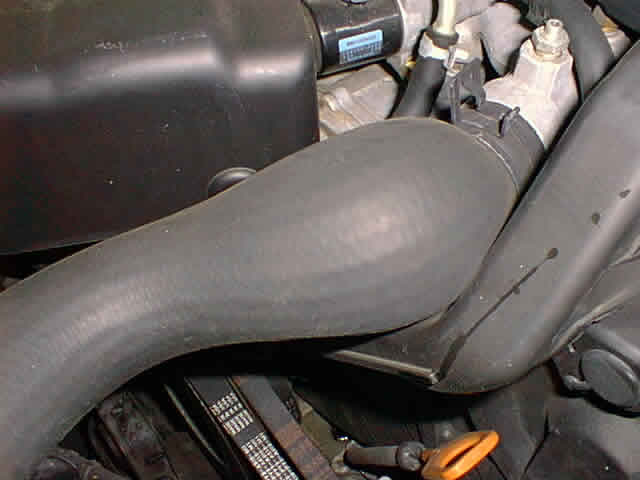
Now the above picture is not a radiator hose from a Subaru engine. But it’s the same concept. And this issue is for older and/or higher mileage Subarus, but yes also for cars in general. The OEM coolant hoses are constructed using rubber materials with internal fiber threads. Every time you drive your vehicle, your engine experiences multiple heat cycles. From startup to operating running temps, engines operate anywhere from 185 to 210 degrees Fahrenheit. Now when your engine is cold, the job of your thermostat is to keep the coolant circulating within your engine. As your engine gets warmer, the thermostat opens to allow coolant to circulate throughout your radiator to cool down. During this process, you have pressure within your cooing system. And as pressure increases, all of your rubber ancillary hoses expand. For Subaru models whether they be the EJ or FA models, it’s the upper and lower coolant hoses that connect from the radiator to the engine that are the most vulnerable. These are the largest of coolant hoses in the engine, and what happens is that over time and mileage, the internal fibers break apart, causing the rubber to expand. The upper radiator hose can stretch and bubble large enough to either tear or contact your cooling fan. Because of the high pressure, you will immediately lose most of your coolant. You need to shut the car off immediately and have it towed home or to your local mechanic where they can fix the problem before that temp needle gets in the red.
WHAT HAPPENS WHEN THE TEMP NEEDLE GETS TO THE RED THEN?
If your temp needle is in the red, your engine temperatures are more than likely well above 240 degrees, and more than likely you have lost all your coolant at this point due to a blown coolant hose or a blowen head gasket. So how does overheating cause a failed head gasket? The head gasket is the largest of engine gaskets. It seals the mating surface between the heads, and the short block. Because Subarus have a flat/boxer engine design, coolant is more prone to leak out of the heads because of gravity. The main problem with losing head gaskets is that if your engine gets hot enough, the surface of the heads gets so hot that they either warp, or even bow. You no longer have a flat and sealed mating surface, and coolant will make it outside of the water jackets, and passages in the heads and the engine, and it will get mixed with the oil. This creates the “chocolate milk” effect in your oil which is the number one indicator that you have blown your head gasket. Additionally, if your engine gets this hot, the heads can crack which all allow the coolant to escape and get inside your oil. When this happens, your engine must be removed, and the heads need to be taken off and sent to a competent machine shop where they will need to be re-decked. They also will be checked for cracks, and make sure the valves are properly sealing. Now the damage does not end here. Neglected Subarus can have a leaking gasket on one bank of the engine while the other side stays sealed. You may or may not experience overheating, but your oil will get contaminated with coolant, which will eliminate your oil’s lubricating properties and viscosity. This leads to the famous Subaru rod knock. If you suspect that you have a blown head gasket, there are some things you can do yourself to see if you have some of the indicators:
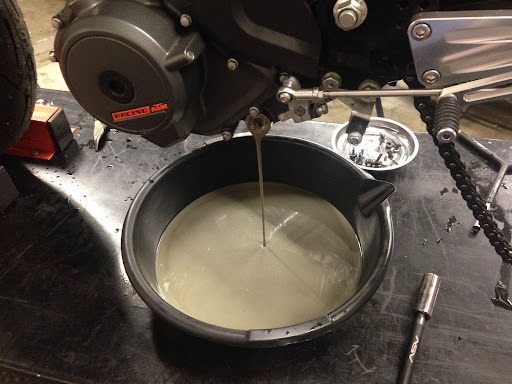
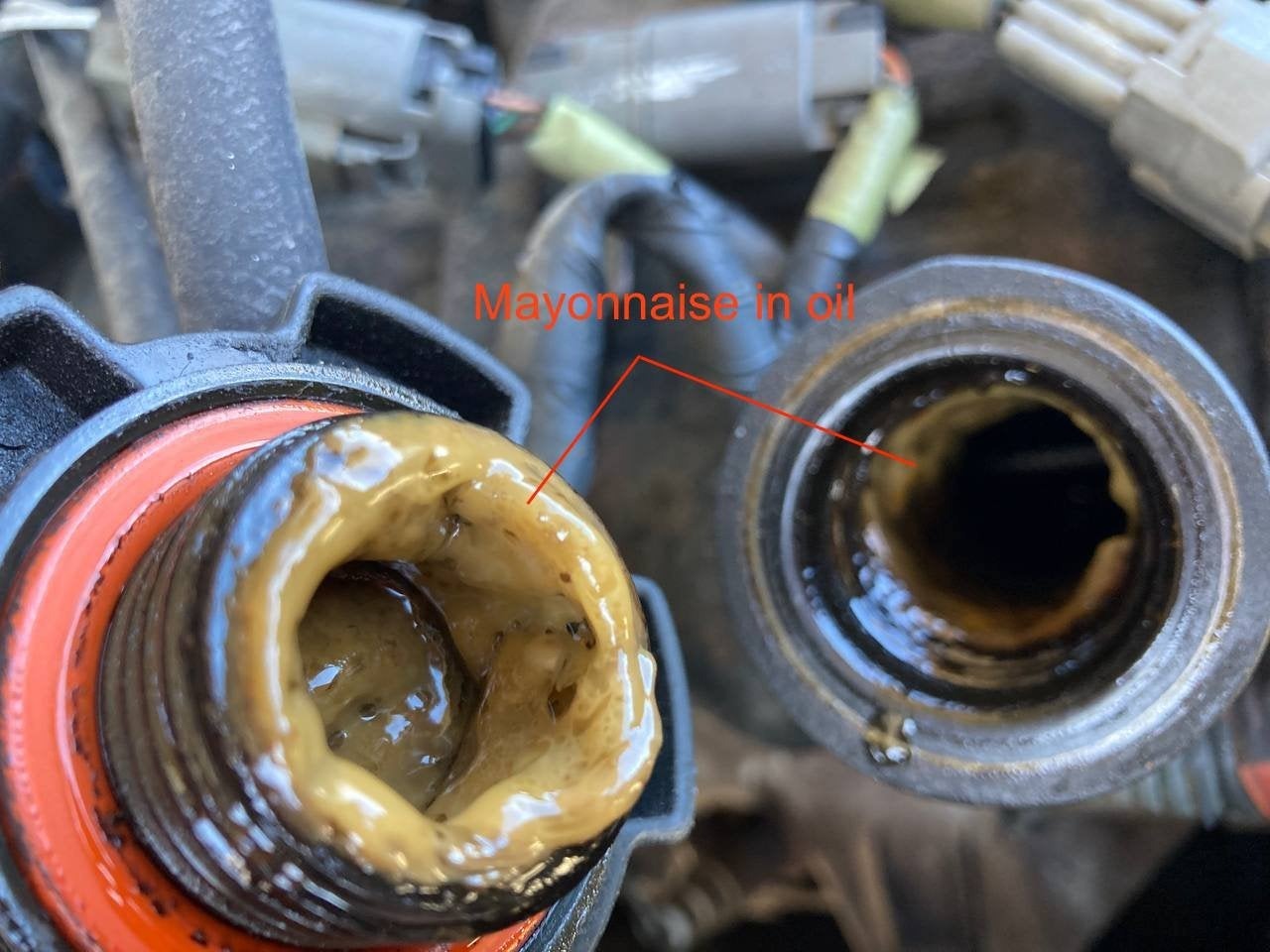
If your oil looks like a Starbucks Frappacino. Your oil should always look honey-like. Or dark after a few thousand miles. If it’s a milky light brown substance, this means that coolant has already made it into your oil. This also means that if you take your oil cap off, you will also see the same light brown milky oil as well as condensation under the oil cap because of the coolant.
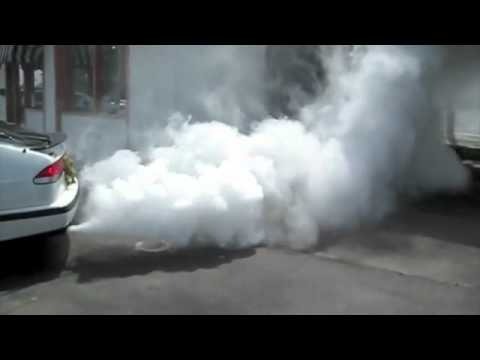
And one of the obvious indicators is that your vehicle will smoke as if you hooked up a vacuum hose to your intake and into a drum of seafoam.
The thing is, is that most everyday Subaru drivers, or enthusiasts are not mechanics. Now enthusiasts are more mechanically inclined, but truth be told, we just want to drive and enjoy our cars without any catastrophic engine failures for a long time at the least. Yet cars are metal machines, and they will break and there is no stopping that fact. However, there is preventative maintenance that we can do to improve or prolong the life expectancy of our engines. Too much heat within your coolant or oil system leads to damage, and it can do it quickly. Now the mentioning of blown-head gaskets is the end game for overheating. If your Subaru’s operating temps are outside of range, there are some upgrades and maintenance procedures that you or your mechanic can perform to upgrade or maintain the overall cooling efficiency in your Subaru.
RADIATOR CAP
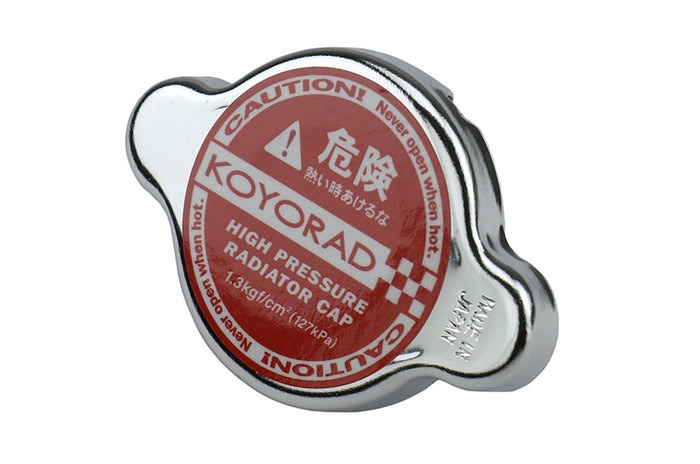
Koyo 1.3 BAR High Pressure Radiator Cap 2015-2024 WRX / 2015-2021 STI
Radiator caps will be a simple upgrade. If you have the original radiator cap, many times there will be a seal that prevents the coolant from escaping. After a long time, the seal in your OEM rad cap can break apart preventing a proper seal. So, pressure will escape while also allowing air gaps to enter your coolant system. This will also affect the pressure and the inability to control the overall boiling point of the coolant. The example above has a higher-pressure rating to optimize the cooling effects of your antifreeze. Note, always make sure you only remove your radiator cap when the engine is completely cooled down. Otherwise, you will severely burn your hands, arms, and face with boiling coolant.
UPPER AND LOWER SILICONE HOSES
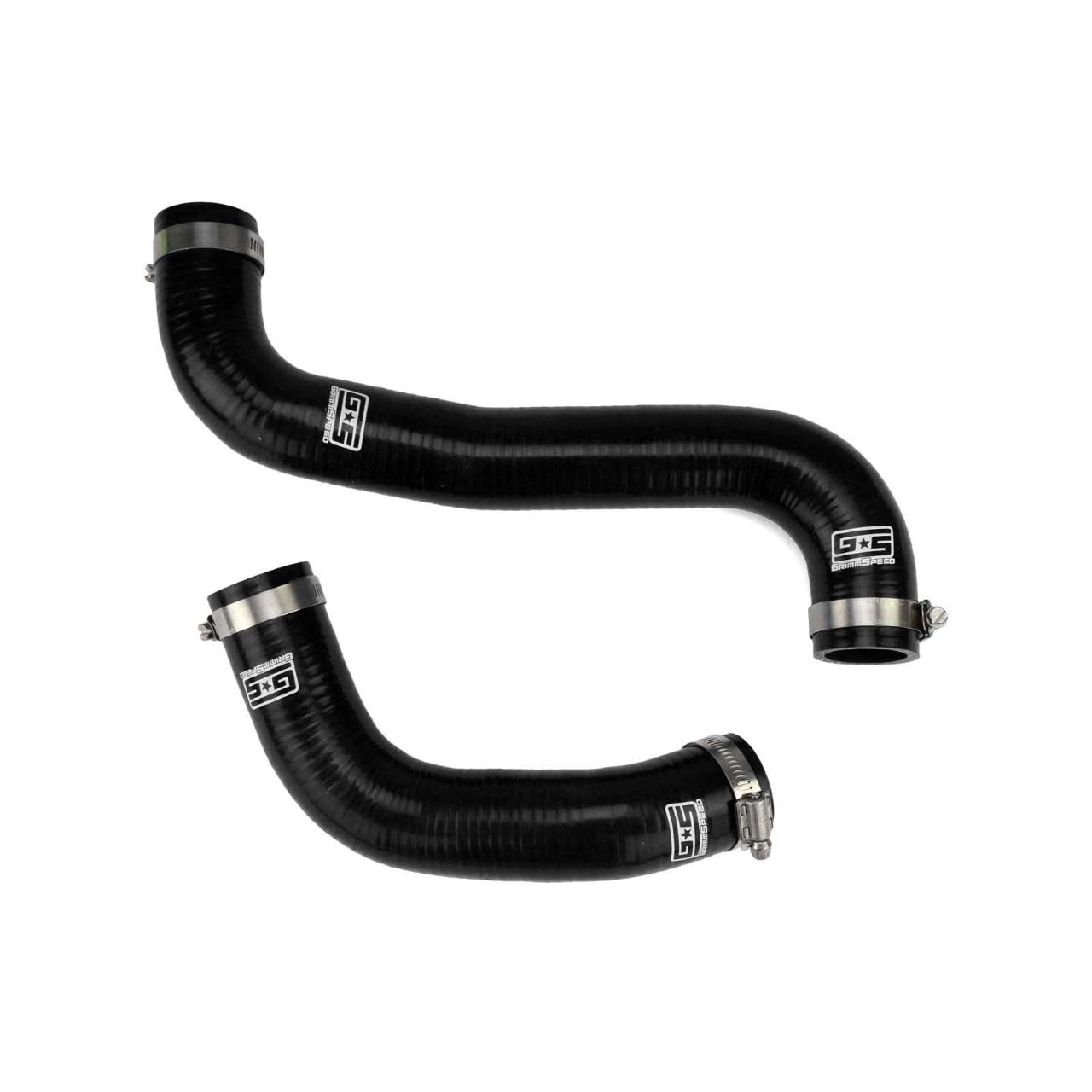
GrimmSpeed Radiator Hose Kit 2008-2014 WRX / 2018-2021 STI
One of the best cooling system upgrades that you can perform to your Subaru. As mentioned earlier, your OEM hoses are made using fiber reinforced rubber, and after years, mileage, and countless heat cycles, they will expand enough to stretch apart the fibers causing tearing, or they can get large enough to contact your fan. GrimmSpeed’s units for example, feature multi-layer silicon construction that are heat-resistant, and will not expand like conventional rubber hoses. The result is an improvement in coolant flow and efficiency.
FULL ANCILLARY HOSE KIT
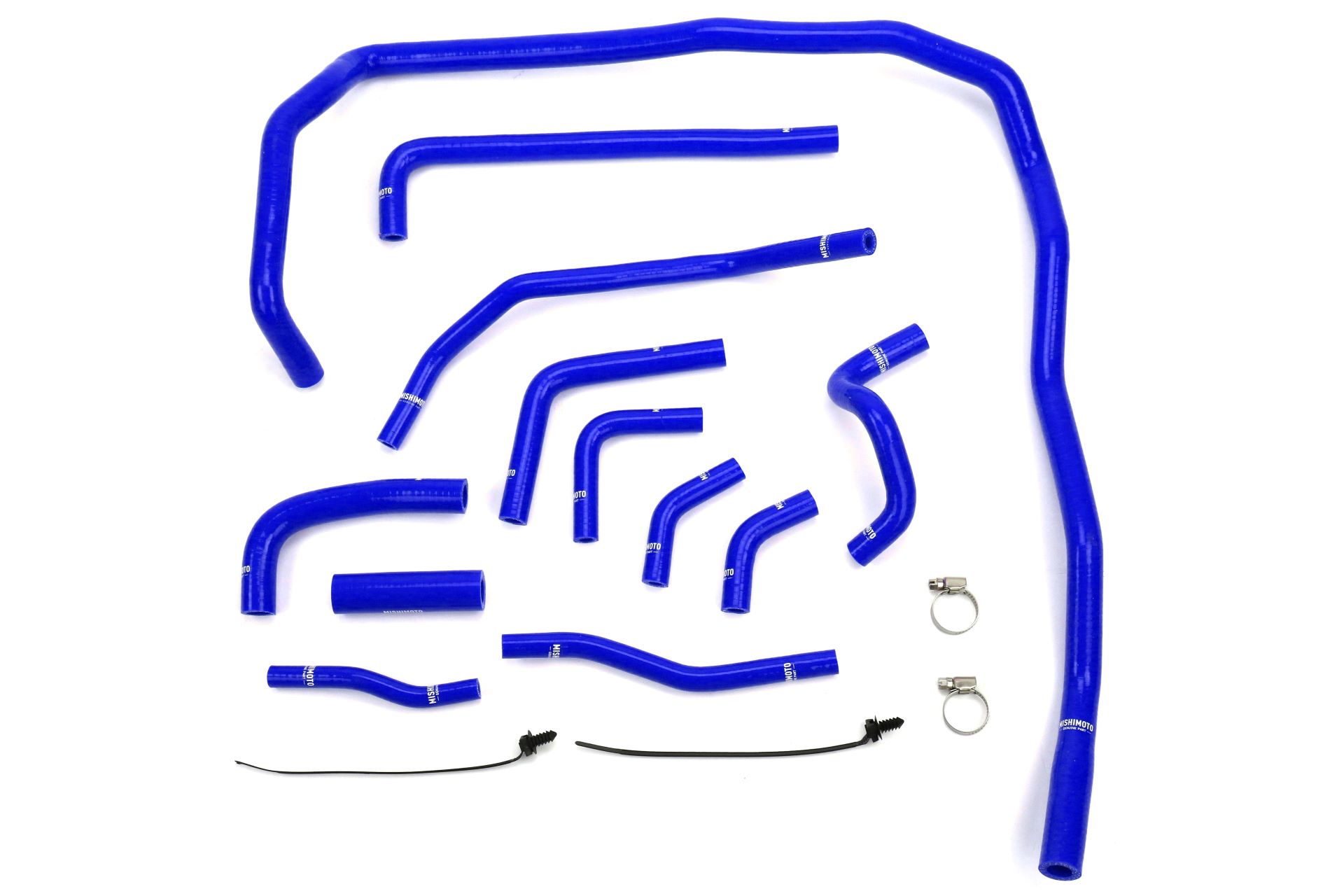
Mishimoto Silicone Ancillary Hose Kit 2015-2021 WRX
Ideal for those of you who really want to really want to seal up your coolant system within the hoses. This kit includes pretty much all the main coolant lines and hoses in the engine bay and offers the same cooling performance as the upper and lower radiator hoses with their strong multi-layer silicone construction. The little hoses especially are prone to cracking in the wintertime as they will harden and expand. And in many times, the OEM hoses will create a leak where the clamps hold the hoses down. As the hoses expand, it will actually stretch and either tear or crack where the clamps meet. Because multi-layer silicone construction is much stronger, you won’t have this issue with any of the ancillary hose kit options.
THERMOSTAT
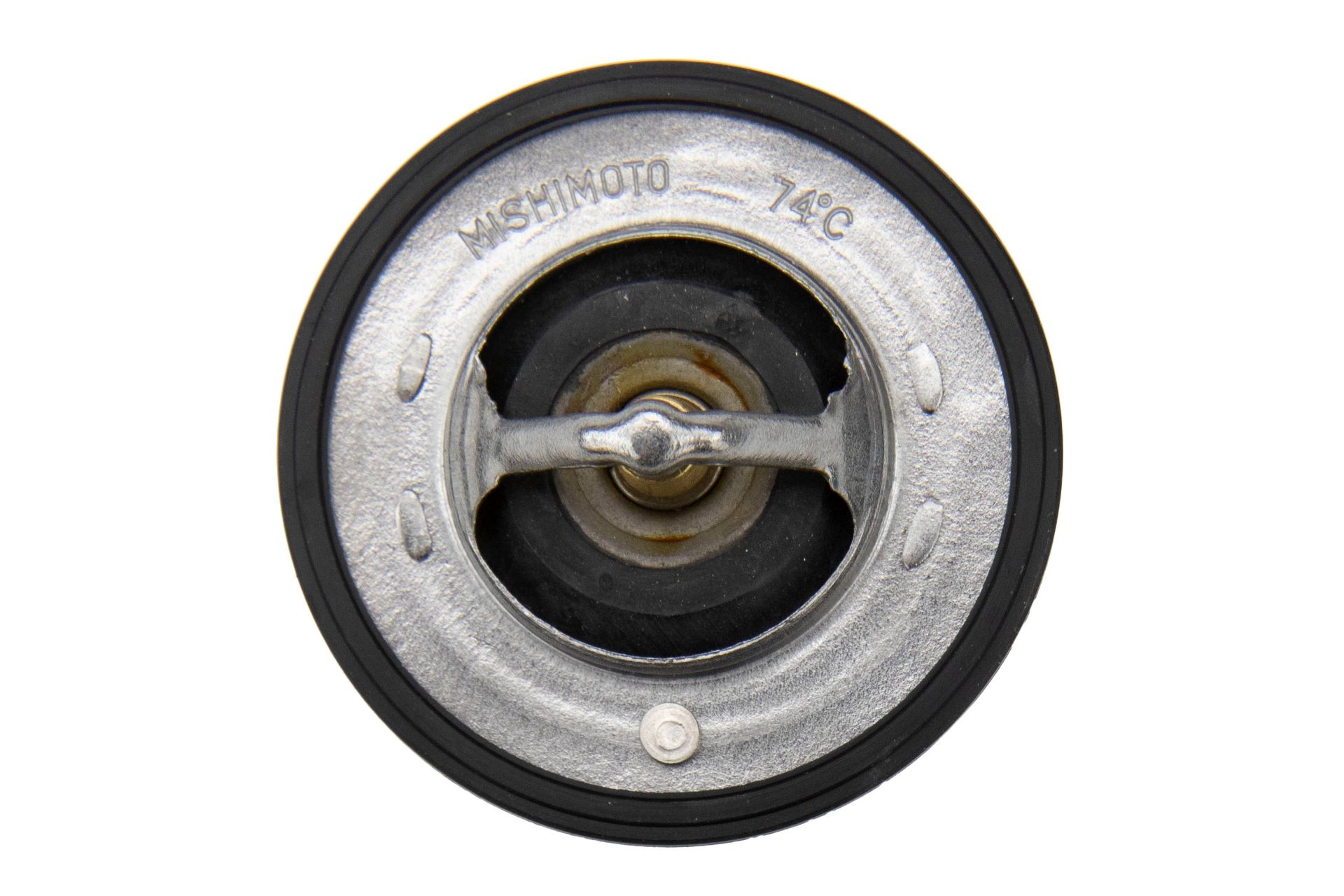
Mishimoto Racing Thermostat 2015-2021 WRX
Whether it be OEM or aftermarket, because you must drain your coolant anyway to replace or upgrade your coolant hoses, always take the extra step by upgrading your thermostat. A malfunctioning thermostat can cause (2) issues. Now the job of the thermostat is to keep your coolant circulating through your engine’s block when it’s cold. When the engine reaches a certain temperature, the thermostat opens and allows coolant to flow through the radiator to cool down and maintain q proper temperature. If the thermostat is stuck closed, it will not allow coolant to pass through the radiator and will cause an overheating issue. If the thermostat is stuck open, it will take the engine longer to reach normal operating temps. Thermostats are very simple to replace by just undoing the bolts on the thermostat housing when the coolant is drained, and then you can simply pull out. Just be sure to re-install the new unit in its proper orientation as there is usually a weeping hole, or a mark on the thermostat that is supposed to line up at a 12 o’clock position in some models.
ALL ALUMINUM RADIATOR
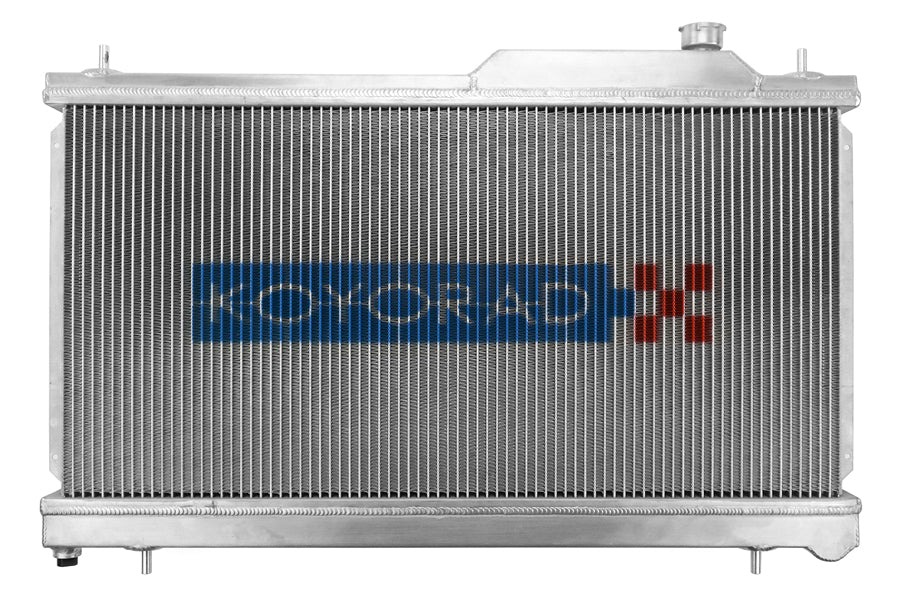
Koyo Aluminum Racing Radiator 2008-2021 WRX / STI
An all-aluminum radiator will be the best cooling upgrade you can perform to your cooling system. Like most vehicles, the OEM Subaru radiator features plastic upper and lower end tanks. Like your OEM rubber radiator hoses, these plastic end tanks must endure pressure, and multiple heat cycles. The problem is that eventually, the plastic on the end tanks will develop a crack.
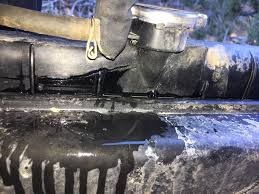
And as usual, this will happen in the most inconvenient of times, and without warning. If you’re lucky, you will develop a hairline crack that will allow you to at least see where a leak is coming from so that you can address the problem. And in many cases, the pressure will blow out the end tank where the pressure will dump out your coolant very quickly. In this case, shut your car off immediately to avoid overheating, and get your car towed home. The reason why all aluminum radiators are an excellent upgrade, is because aluminum won’t split like plastic. And aluminum is fixable by an experienced fabricator. But at the end of the day, an all-aluminum radiator will be the last radiator you buy for your vehicle.
MATINTAINING YOUR COOLING EFFICIENCY
If you have replaced your OEM coolant components with silicone hoses and an all-aluminum radiator, there are additional steps that you can take to make sure your cooling system is at peak performance, even if you are still using OEM hoses and an OEM radiator. Below are either more upgrades or suggestions you can perform to make sure your coolant temps can stay within the strike zone.
RADIATOR SHROUD
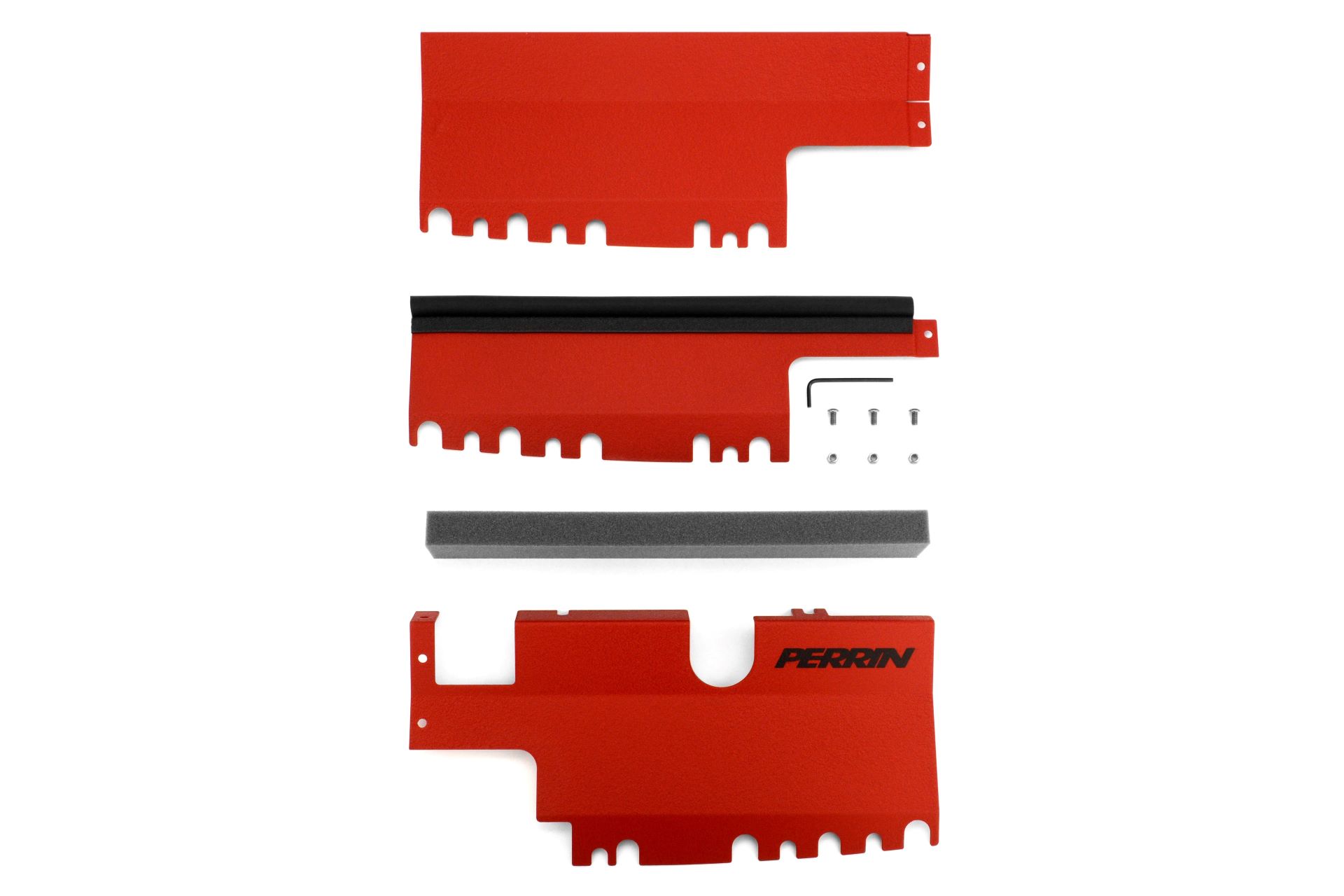
PERRIN Radiator Shroud 2015-2021 WRX/STI
This is a great upgrade especially for those of you with front mount intercoolers where the airflow blocks a percentage of your radiator. The job of a proper radiator shroud is to keep the incoming air from getting deflected. Radiator shrouds channel the air to make direct contact with the face of your radiator. Additionally, while performing maintenance in your engine bay, radiator shrouds are a great place to place your tools so that they don’t fall into tight spaces.
MAKE SURE YOU CHANGE YOUR WATER PUMP WHEN THE TIMING BELT SERVICE IS DUE
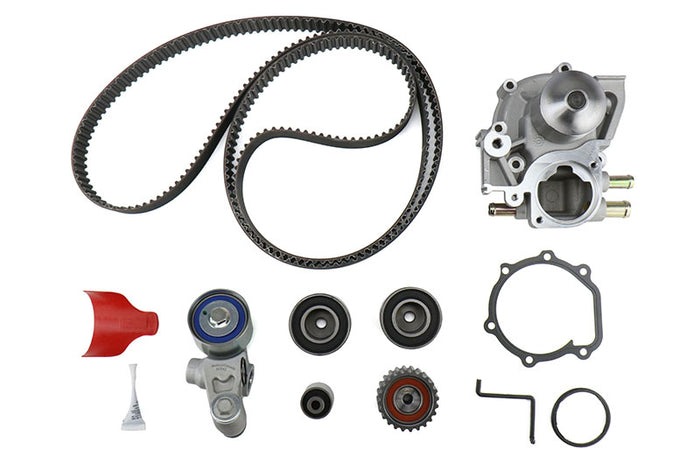
Gates Timing Belt Kit w/Water Pump 2015-2021 STI
Aside from visible and accessible components when diagnosing overheating problems, your water pump is the backbone of your coolant system. Water pumps are belt-driven and have propellers that push the coolant through your engine. Water pumps need to be replaced either when they fail obviously, but especially when you get your timing belt service performed simply because the water pump is only accessible when removing all the parts you would otherwise have to remove when doing a timing belt. When water pumps fail, this means that the propeller shaft is not moving as it should, or it is seized. In this case, you would see coolant temps climb and climb into the red quickly, because there is no movement in the cooling system, it would be stagnant, while pressure from the heat continues to increase. A few ways to tell, is if coolant is leaking from the water pump and down your engine block, or the pulley on the water pump will have excessive play in it because of damaged internal bearings.
ALWAYS PERFORM A COOLANT FLUSH EVERY FEW YEARS, OR AT THE RECOMMENDED SERVICE INTERVAL
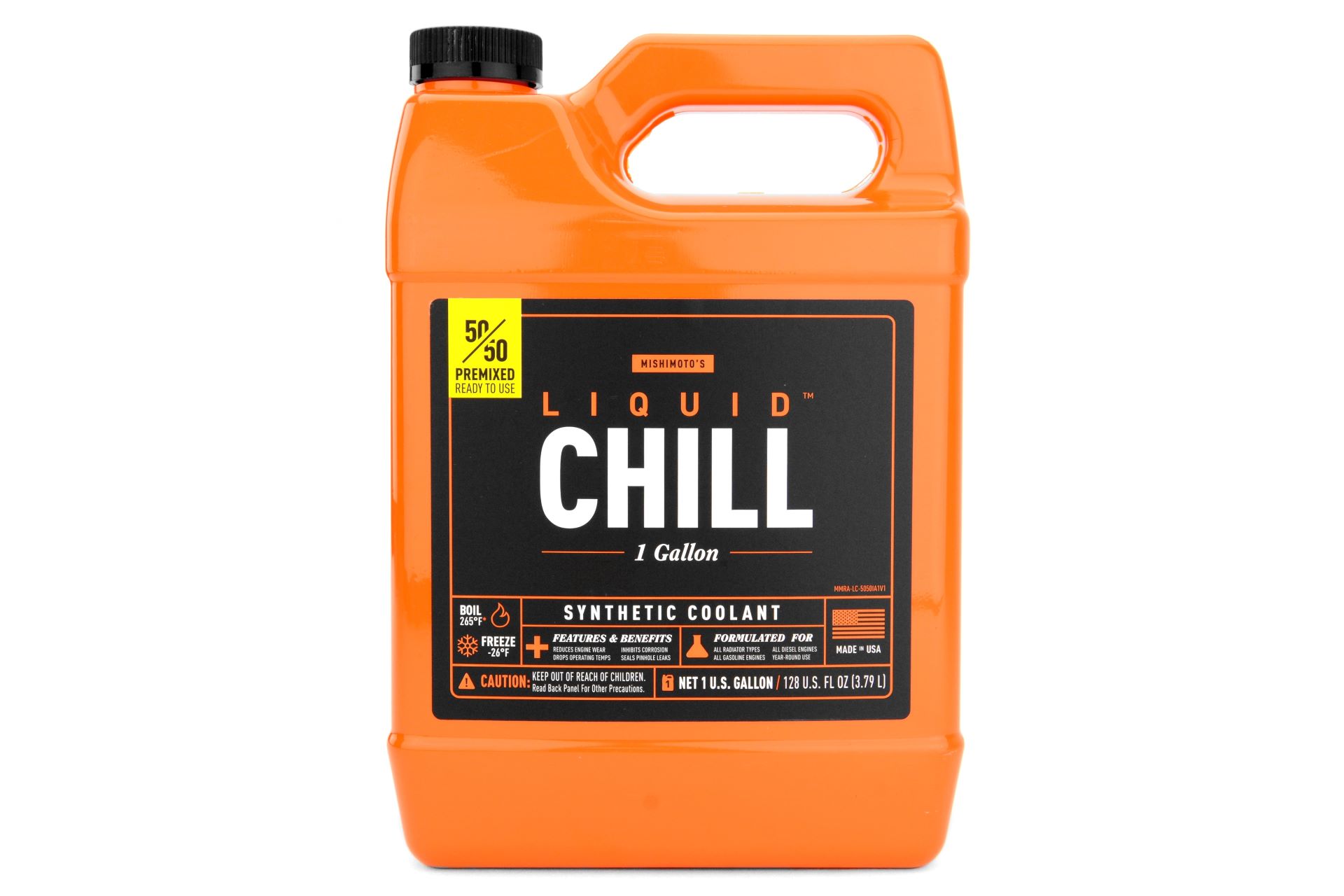
Misimoto Liquid Chill Synthetic Pre-Mixed Engine Coolant - Universal (safe for subis)
Like other fluids in your engine such as your oil, coolant needs to be flushed out every 40-60k miles. Your coolant can become contaminated from inner rust from your radiator or from internal engine material. Corrosion can also occur if you have a mixture of more water over pure coolant, but especially if you are using the wrong rated coolant. Yes, Japanese engines, European engines, and American engines have their own coolants that are chemically designed to work with iron, aluminum, and plastics. Some engines have metal water pumps while other engines use plastic electric water pumps. Always make sure you either use coolant from the dealership, or that your local parts store has a coolant that will work with your engine. Otherwise, you will develop corrosion buildup that will deteriorate or damage your cooling system components.
Performing a coolant flush pushes out any buildup or debris in your engine block and radiator to free up coolant flow to better cooling efficiency. Now coolant vs water ratio, it should be 50/50. Those who experience extremely cold conditions such as Alaska will usually go 75% coolant and 25% water. And those who live in Phoenix or Vegas locations sometimes like to add more water. But as a rule of thumb, a 50/50 mix will be the best procedure no matter where you live.
IF YOU CAN, CLEAN THE SPACE BETWEEN YOUR AC CONDENSER AND RADIATOR
This is important. When looking at your front bumper, you think you are looking at your radiator. But 99% of the time, you are actually looking at your AC condenser. The AC condenser cools the freon that circulates your air conditioning system, and it is pretty much a thin radiator. This sits directly in front of your radiator, and there is usually a half-inch gap that separates the two. The problem is that when driving, dirt, dust, grass and weeds will collect in that area, which will block the airflow to your radiator. If you have access from the bottom or the top of your vehicle, spray this area out once every summer, to keep this area clean and to maximize the flow efficiency to your radiator.
In conclusion, this gives you a broader idea of what your cooling system consists of, how to maintain it, and what to do and/or check just before we hit those triple digit temperatures. But make sure you take these steps especially if you are traveling a long distance, as your engine will be running for prolonged periods of time.